
In Hindu culture, the funeral ceremony is not considered the end of a person’s journey. It marks the beginning of a series of sacred rituals and traditions intended to honor the departed soul, provide comfort to the family, and support the soul’s spiritual transition.
These post-funeral customs have been practiced for generations and continue to hold deep religious, cultural, and emotional significance. Beyond their spiritual purpose, they also help grieving families find structure, healing, and connection during a difficult period of loss.
This guide explores the major post-funeral traditions in Hindu culture and their importance in preserving faith, family values, and remembrance.
Table of Contents
- The Importance of Post-Funeral Rituals
- Asthi Visarjan (Immersion of Ashes)
- The Traditional Mourning Period
- Shraddha and Pind Daan Rituals
- Annual Remembrance Ceremonies
- The Role of Family and Community
- Frequently Asked Questions
- Conclusion
The Importance of Post-Funeral Rituals
According to Hindu philosophy, the soul (Atman) is eternal and continues its journey after leaving the physical body.
Post-funeral rituals are performed with the belief that they help:
- Honor the departed soul
- Support the soul’s spiritual transition
- Express gratitude and respect
- Provide emotional healing for the family
- Preserve family and cultural traditions
These rituals reflect the Hindu understanding that life and death are interconnected stages of a continuous spiritual journey.
Asthi Visarjan (Immersion of Ashes)
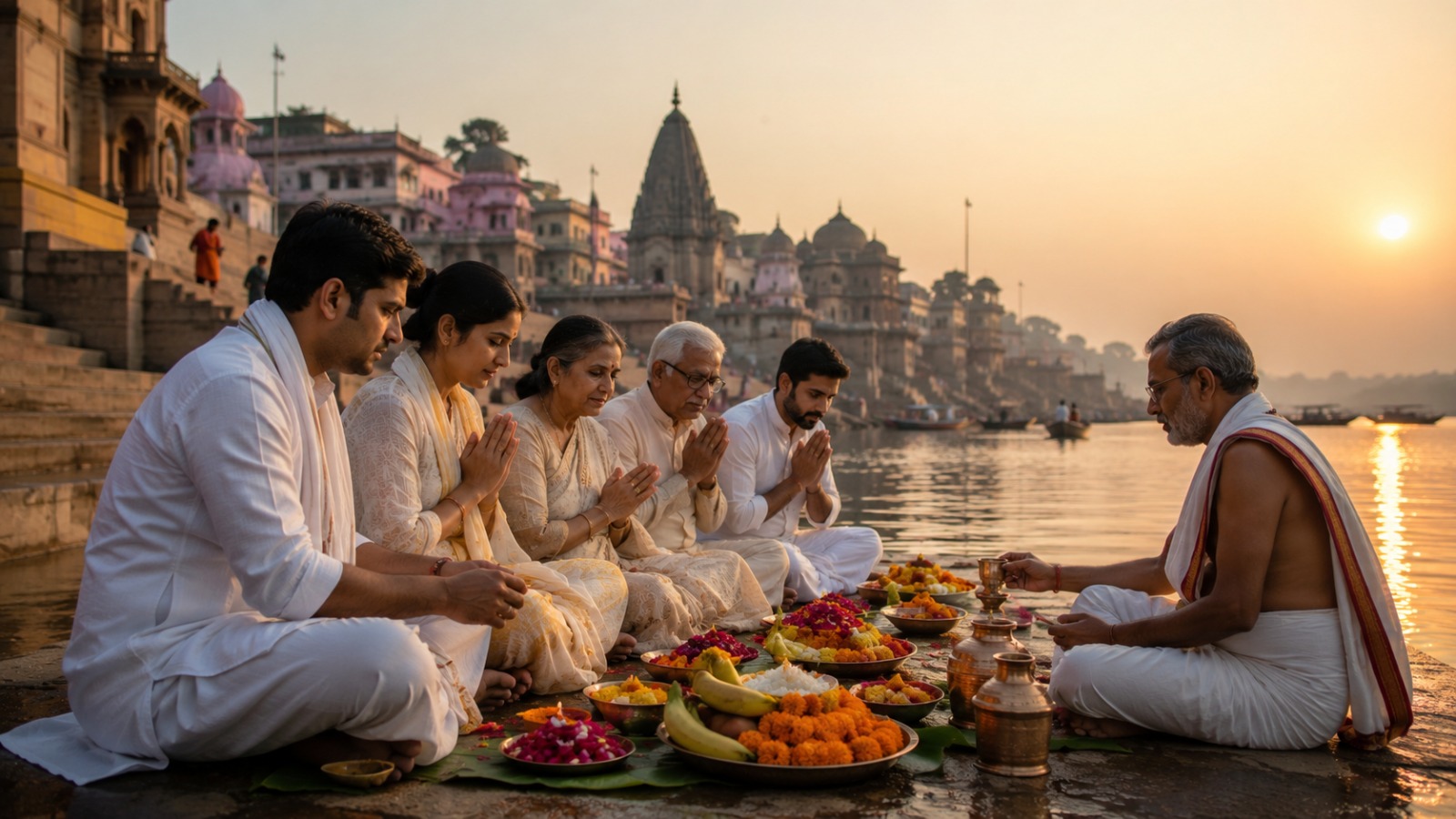
One of the first post-funeral rituals performed after cremation is Asthi Visarjan.
After the cremation process is completed, the ashes and bone fragments (known as Asthi) are carefully collected by family members and immersed in a sacred river, sea, or other holy water body.
Spiritual Significance
Asthi Visarjan symbolizes:
- The return of the physical body to nature
- Spiritual purification
- Liberation from worldly attachments
- Respect for the departed soul
Many families choose sacred rivers such as the Ganga, Yamuna, Godavari, Narmada, or other holy water bodies according to family traditions.
Sacred Reminder
📌 Asthi Visarjan is not merely a ritual—it is an act of reverence, symbolizing the soul’s continued journey and the family’s final physical farewell.
The Traditional Mourning Period
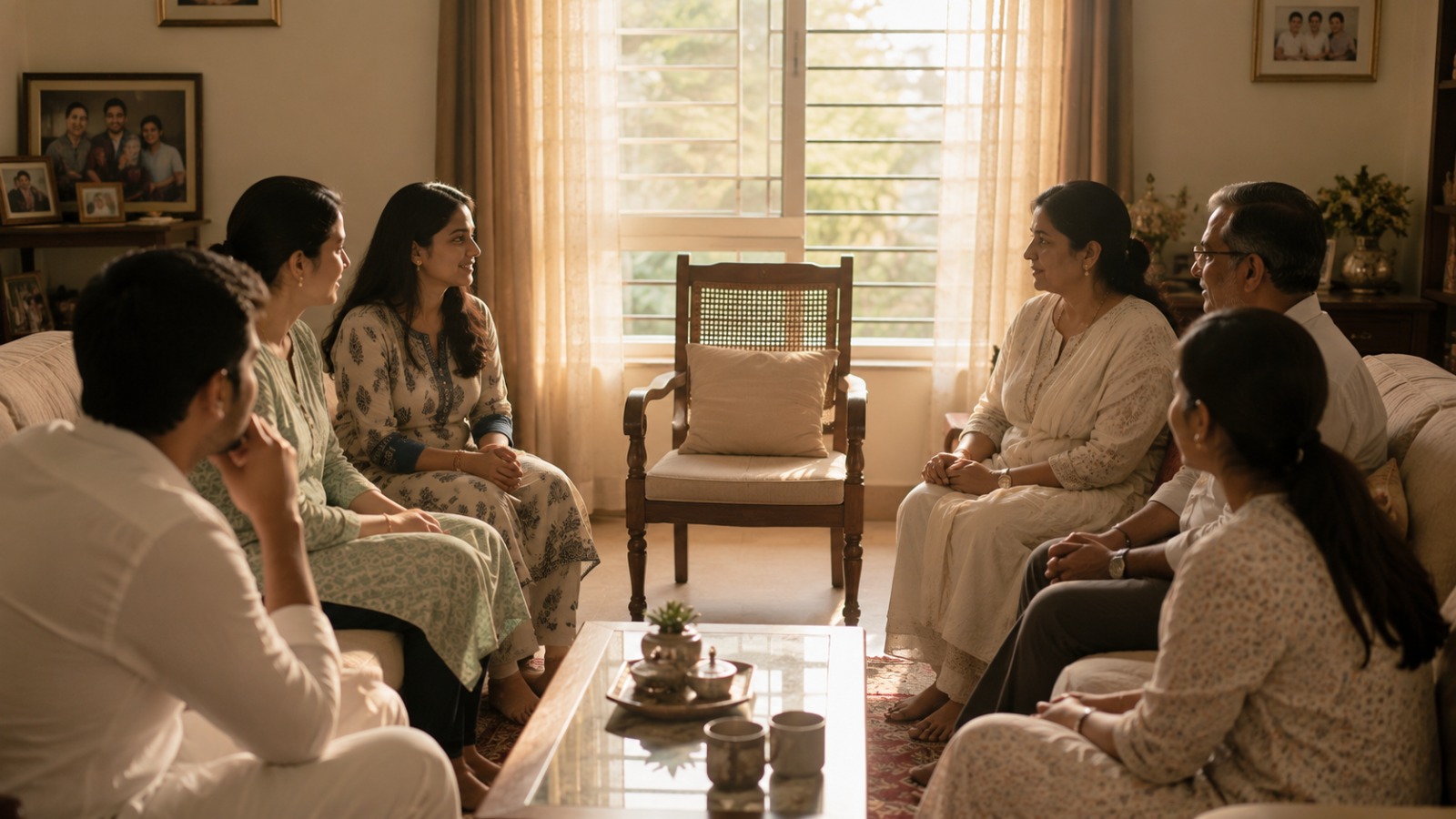
Following the funeral, many Hindu families observe a mourning period, commonly lasting between 10 and 13 days, though practices may vary by region, community, and family tradition.
During this period:
- Family members focus on prayers and remembrance.
- Social celebrations are generally avoided.
- Religious observances may be performed daily.
- Relatives and friends visit to offer support and condolences.
Why the Mourning Period Matters
The mourning period serves both spiritual and emotional purposes.
It allows families to:
- Reflect on the life of the deceased
- Process grief
- Strengthen family bonds
- Participate in spiritual practices
This dedicated time helps create space for healing and acceptance.
Shraddha and Pind Daan Rituals
Among the most important post-funeral ceremonies in Hindu tradition are Shraddha and Pind Daan.
What Is Shraddha?
The word “Shraddha” originates from the Sanskrit word meaning faith and devotion.
This ceremony is performed to honor ancestors and express gratitude toward the departed soul.
Common elements include:
- Prayers and mantras
- Food offerings
- Charitable acts
- Religious observances
The ritual is believed to bring peace and blessings to the departed soul.
Understanding Pind Daan
Pind Daan involves offering symbolic food offerings, known as Pindas, to the departed soul.
Traditionally performed by close family members, this ritual signifies:
- Respect and devotion
- Fulfillment of family responsibilities
- Spiritual support for the soul’s journey
For many families, Pind Daan is an important expression of love, remembrance, and duty.
Annual Remembrance Ceremonies
Remembering loved ones does not end after the mourning period.
Many Hindu families observe annual remembrance ceremonies, often referred to as Tithi Shraddha.
These ceremonies provide opportunities to:
- Honor ancestors
- Offer prayers
- Reflect on cherished memories
- Preserve family traditions
Annual observances help ensure that the legacy and teachings of loved ones continue across generations.
Keeping Memories Alive
Families often honor loved ones through:
- Sharing stories and memories
- Visiting sacred places
- Performing charitable acts
- Supporting causes they valued
- Continuing family traditions
These practices help transform grief into meaningful remembrance.
The Role of Family and Community
Hindu funeral traditions place significant importance on family and community support.
During the post-funeral period, relatives, neighbors, and community members often provide:
- Emotional support
- Spiritual guidance
- Assistance with rituals
- Practical help for the family
This collective support system reflects the Hindu value of togetherness and compassion during times of loss.
Why Community Support Matters
Grief can feel isolating, but shared rituals and community participation help families:
- Feel connected
- Share emotional burdens
- Preserve cultural traditions
- Find strength through collective remembrance
The presence of loved ones often becomes an essential part of the healing process.
The Lasting Significance of Hindu Post-Funeral Traditions
While these rituals are deeply rooted in spiritual beliefs, they also serve practical and emotional purposes.
They provide:
- Structure during grief
- Opportunities for reflection
- Spiritual comfort
- Family unity
- Cultural continuity
Through these traditions, families are reminded that love, memory, and respect continue long after a loved one’s physical presence has passed.
Conclusion
Post-funeral traditions in Hindu culture represent far more than ceremonial practices. They are expressions of faith, gratitude, remembrance, and love. From Asthi Visarjan and Shraddha rituals to annual remembrance ceremonies, these customs help families honor their loved ones while supporting the soul’s spiritual journey.
Equally important, these traditions provide comfort and healing for those left behind. They encourage reflection, strengthen family bonds, and preserve values that have been passed down through generations.
In times of loss, these sacred practices offer families a meaningful path toward acceptance, remembrance, and peace.
Frequently Asked Questions