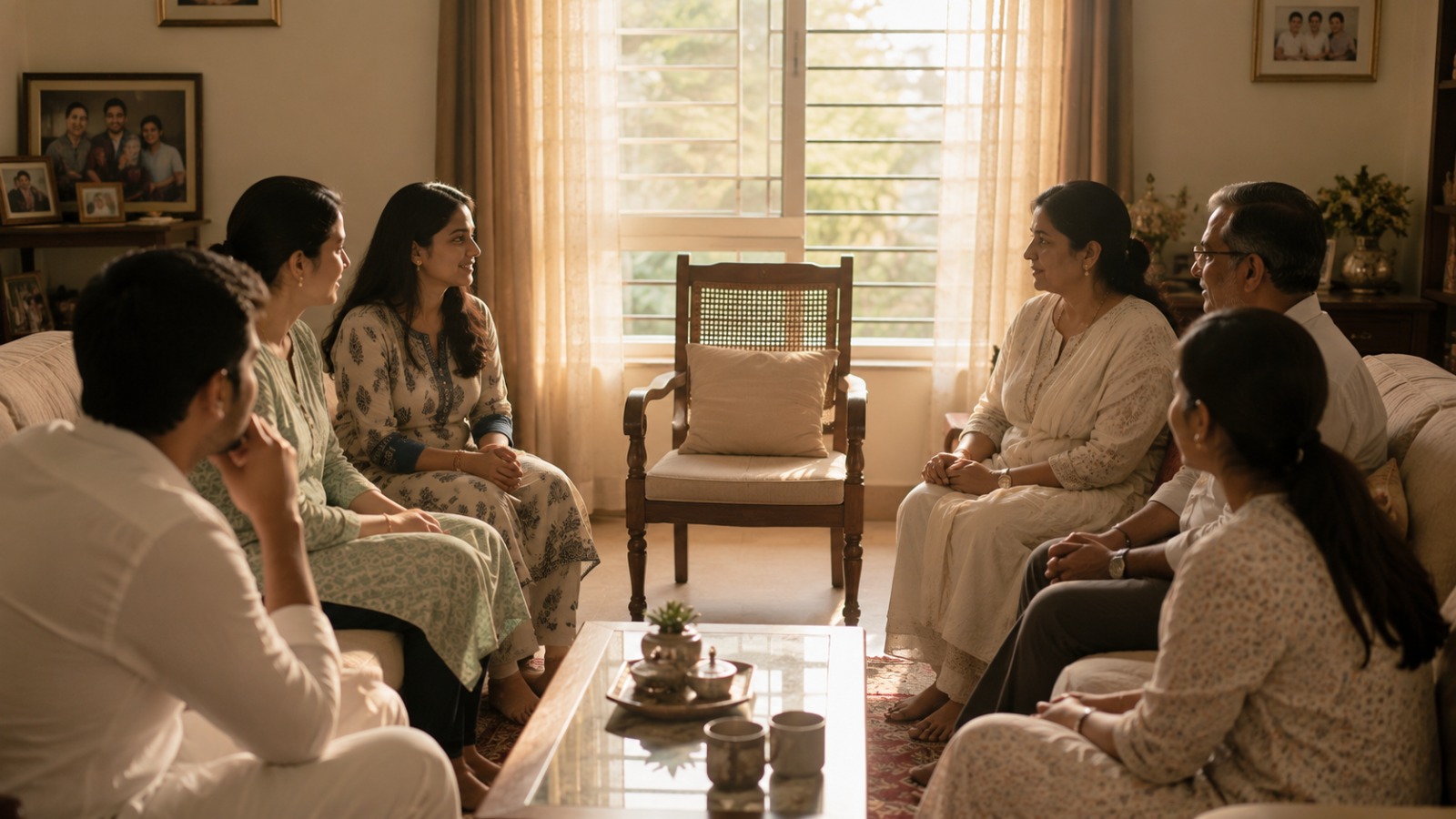

While discussions about end-of-life arrangements can be uncomfortable, pre-funeral planning is one of the most thoughtful and responsible decisions an individual can make. Planning ahead helps reduce emotional stress, financial uncertainty, and difficult decision-making for family members during an already challenging time.
Pre-funeral planning is not about anticipating the end of life—it is about ensuring that your wishes are respected and that your loved ones are supported when they need it most.
This guide explains the importance of pre-funeral planning, the key decisions involved, and how families can prepare with confidence and peace of mind.
Table of Contents
- What Is Pre-Funeral Planning?
- Why Pre-Funeral Planning Matters
- Important Decisions to Consider
- Financial and Legal Preparation
- Discussing Your Wishes with Family
- Hindu Funeral Considerations
- Frequently Asked Questions
- Conclusion
What Is Pre-Funeral Planning?
Pre-funeral planning involves making arrangements and documenting preferences for funeral services before they are needed.
These preparations may include:
- Funeral service preferences
- Religious and cultural rituals
- Cremation or burial decisions
- Financial arrangements
- Important legal documentation
- Family communication plans
By making these decisions in advance, individuals can help their families avoid uncertainty during an emotionally difficult time.
Why Pre-Funeral Planning Matters
Many families are required to make multiple important decisions within a short period following a death. When no guidance has been provided, this process can become stressful and overwhelming.
-
Reduces Emotional Stress
Grieving family members often struggle to make major decisions while processing a loss. A clear plan eliminates uncertainty and allows loved ones to focus on healing.
-
Ensures Personal Wishes Are Honored
Everyone has unique beliefs, traditions, and preferences regarding funeral services. Pre-planning ensures these wishes are respected.
-
Prevents Family Disagreements
When arrangements are documented, there is less confusion regarding what the deceased would have wanted.
-
Provides Financial Clarity
Funeral expenses can be significant. Planning ahead helps families understand costs and prepare accordingly.
Important Decisions to Consider
A comprehensive pre-funeral plan should address several important areas.
-
Funeral Service Preferences
Consider:
- Traditional or contemporary ceremony
- Private or public service
- Location of ceremonies
- Religious customs and rituals
- Guest arrangements
Documenting these preferences can provide clear guidance to family members.
-
Cremation or Burial
One of the most significant decisions is determining whether cremation or burial is preferred.
Factors to consider include:
- Religious beliefs
- Cultural traditions
- Family customs
- Personal values
For many Hindu families, cremation remains the traditional practice, though individual preferences may vary.
-
Memorial and Remembrance Services
Some individuals wish to include additional remembrance activities such as:
- Prayer gatherings
- Community memorials
- Charitable donations
- Family tribute ceremonies
Planning these details in advance can help create meaningful and personalized tributes.
-
Special Requests
You may also wish to document:
- Music selections
- Religious readings
- Preferred photographs
- Floral arrangements
- Specific cultural traditions
These personal touches can help families celebrate a life in a meaningful way.
-
Important Planning Checklist
📌 Pre-Funeral Planning Essentials
- Funeral service preferences
- Cremation or burial choice
- Religious requirements
- Emergency contact list
- Insurance information
- Legal documents
- Personal wishes and special requests
- Financial planning details
Keeping this information organized and accessible is extremely valuable for family members.
Financial and Legal Preparation
Pre-funeral planning should also include financial and legal considerations.
Important documents may include:
- Government-issued identification
- Insurance policies
- Medical records
- Property documents
- Wills and estate plans
- Nominee information
Families should know where these documents are stored and how to access them when needed.
-
Consider Funeral Budgeting
Funeral expenses can vary depending on the type of services selected.
Planning ahead allows individuals to:
- Understand potential costs
- Compare service options
- Avoid financial surprises
- Reduce financial pressure on family members
Having a realistic budget can make future arrangements much easier to manage.

Discussing Your Wishes with Family
One of the most important aspects of pre-funeral planning is communication.
Although these conversations may feel difficult, they help ensure that family members understand your wishes and feel prepared when the time comes.
When discussing your plans:
- Be open and honest
- Explain your preferences clearly
- Encourage questions
- Share the location of important documents
- Review plans periodically
These conversations often provide reassurance and clarity for everyone involved.
Hindu Funeral Considerations
For Hindu families, pre-funeral planning may include specific religious and cultural arrangements.
Some important considerations include:
-
Antyeshti (Final Rites)
Planning traditional final rites according to family customs and beliefs.
-
Cremation Arrangements
Coordinating cremation services and related ceremonies.
-
Asthi Visarjan
Planning for the collection and immersion of ashes in a sacred river or water body.
-
Shraddha Ceremonies
Discussing post-funeral rituals and remembrance ceremonies.
Understanding these traditions in advance can help families honor cultural values while minimizing stress.
Conclusion
Pre-funeral planning is ultimately an act of care and responsibility. By taking time to organize important decisions, communicate personal wishes, and prepare essential documents, individuals can provide clarity and comfort to their loved ones during one of life’s most challenging moments.
Planning ahead allows families to focus on remembrance, support, and healing rather than uncertainty and last-minute decision-making. It is a meaningful way to ensure that personal values, traditions, and wishes are honored with dignity and respect.
Frequently Asked Questions